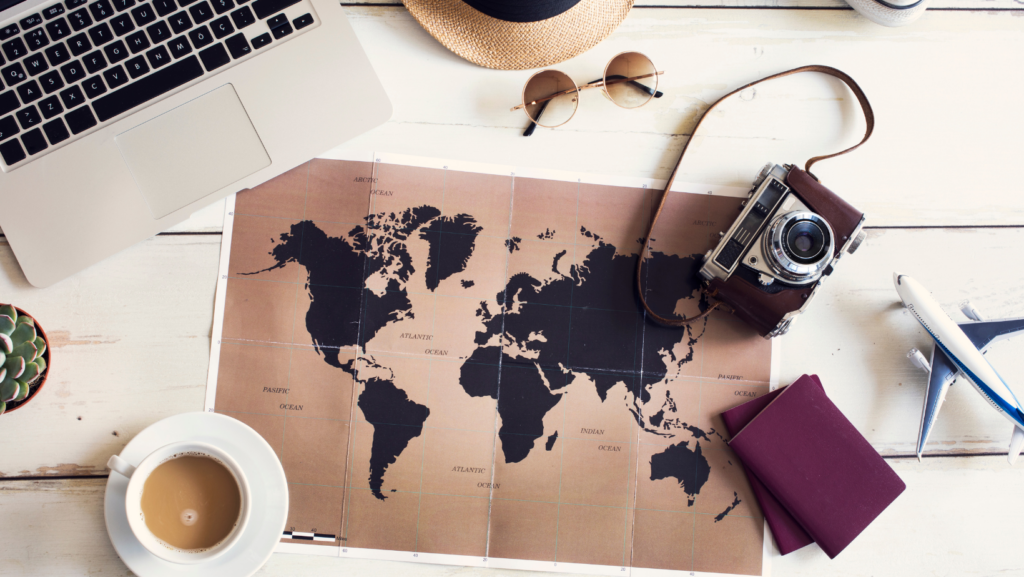
When life feels heavy due to a breakup or burnout, your world shrinks. Psychology calls this “rumination”—a loop of stressful thoughts triggered by your familiar surroundings. Every chair or street corner can become a reminder of your pain, keeping you trapped in the past.
Travel breaks this cycle. It isn’t about escaping; it’s a “pattern interrupt” for your brain. By physically moving to a new location, you disrupt those negative associations. New sights and sounds force your mind to focus on the present, providing the fresh canvas necessary to finally start healing and moving forward.
Breaking the Loop
Staying within the same four walls where your “bad time” happened can make healing feel impossible. Your brain is a master of association, and when your environment stays the same, your thoughts tend to stay the same, too. This is why a change of scenery is so effective.
When you step off a plane or a train in a place you have never been, your brain is forced to stop looking backward and start looking at the present. You have to figure out where to go, how to find food, and how to navigate the streets. This shift in focus is a biological “reset.”
You aren’t running away from your past; you are simply giving your mind a break from the constant replay of old memories. For the first time in a while, the present moment becomes more interesting than the past.
Waking Up Your Brain
During a hard time, the brain often enters a “foggy” state. It feels like you are just going through the motions. New experiences—like seeing vibrant new colors, smelling strange spices at a market, or hearing a language you don’t understand—act like a spark for your mind. These novel sights and sounds stimulate neuroplasticity, which is the brain’s ability to build new pathways.
As you learn to adapt to a new city, you are rebuilding the confidence you might have lost. While many people look for the Headspace alternatives to find mental clarity through digital apps, travel offers a physical way to achieve that same sense of focus. Moving from a state of “survival” to one of “curiosity” is a major milestone in healing. When you find yourself genuinely interested in a local tradition or the history of a building, it is a sign that your brain is waking up and becoming healthy again.
Being “Nobody” for a While
One of the most exhausting parts of a difficult period is the weight of other people’s expectations. Your friends and family know your story, and they often look at you with sympathy or worry. While their care is well-meaning, it can keep you tethered to your identity as a “person in pain.”
Travel offers the incredible relief of being anonymous. In a new city, nobody knows what you have been through. They don’t know about the breakup, the job loss, or the grief. You are just another person sitting in a park or ordering a coffee. This freedom allows you to “try on” a new version of yourself.
You can be adventurous, quiet, or social without the pressure of your past. Every small win, like successfully ordering food in a new language or finding your way back to your hotel without a map, helps you realize that you are still capable and strong.
The Peace of Big Spaces
There is a deep psychological reason why we feel better when we look at the ocean or a mountain range. These vast landscapes trigger a feeling of “awe.” Research shows that experiencing awe can actually calm our nervous system and reduce the “noise” of our own ego. When you are standing before something as old and massive as a mountain, your personal problems start to feel a little smaller.
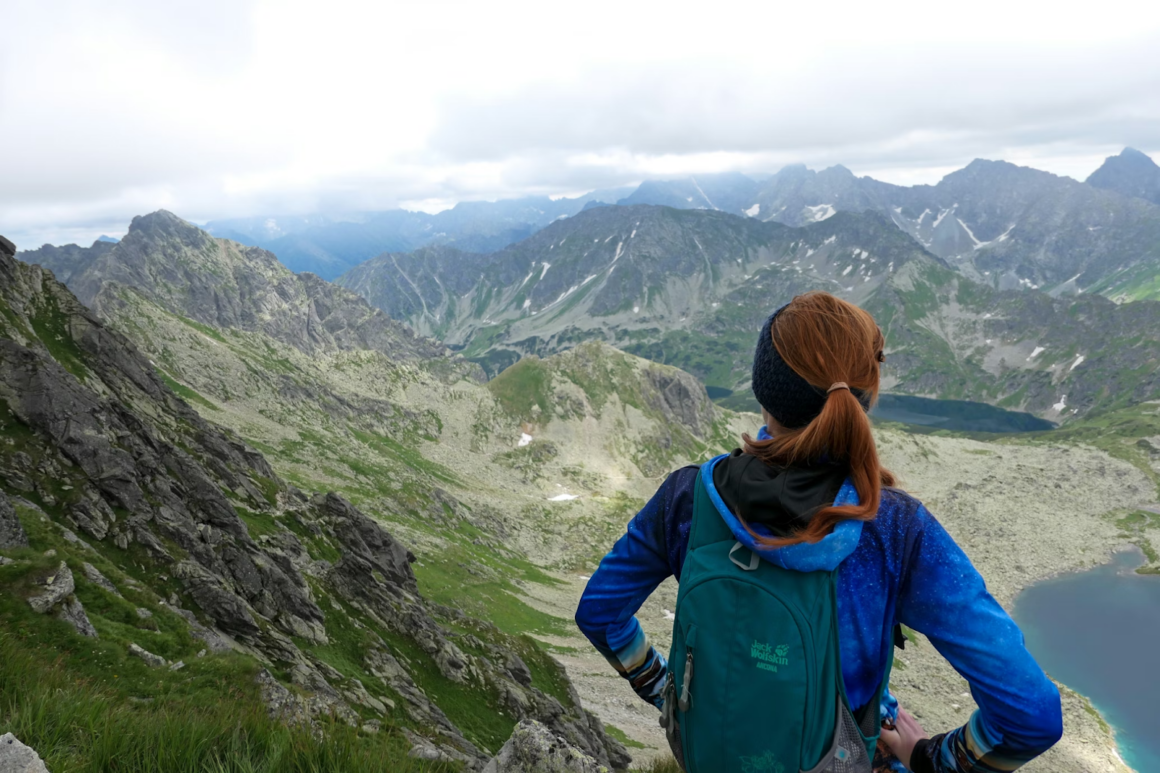
This perspective shift is vital for healing. It doesn’t mean your problems aren’t important, but it reminds you that there is a big, beautiful world continuing to turn around you. These quiet moments of wonder allow your thoughts to settle. Whether you are sitting on a long train ride or walking through a foreign forest, the “soft silence” of nature gives you the space to process your feelings without the interruptions and noise of your daily life.
Taking It Slow
If you are traveling to heal, it is important to remember that this isn’t a typical vacation. You don’t need a busy schedule or a list of ten museums to visit every day. In fact, too much pressure can lead to more stress. The best way to travel after a hard time is to take it slow.
Allow yourself to just “be” in a new place. A simple walk in a park in a different country can be just as healing as visiting a major landmark. Listen to your body and your mind. If you need to spend an afternoon reading a book in a local square, do it.
The goal is to find rest and recovery, not to check off a list of sights. By removing the pressure to “perform” or “see it all,” you give your nervous system the chance to fully catch up to your new, peaceful surroundings.
Final Thoughts: Getting Stronger
The most important thing to remember is that travel doesn’t erase what happened to you. You will still have to face the realities of your life when you return. However, you won’t be the same person who left.
By exposing yourself to new cultures, people, and landscapes, you have proven to yourself that you can handle change. You have regained your curiosity and reminded yourself that there is still beauty in the world. When you return to your same house and your same routine, you bring that new strength back with you.
Travel gives you the tools to stop looking at your life as a series of endings and start seeing it as a series of new beginnings. You aren’t just moving across a map; you are moving forward in your life.