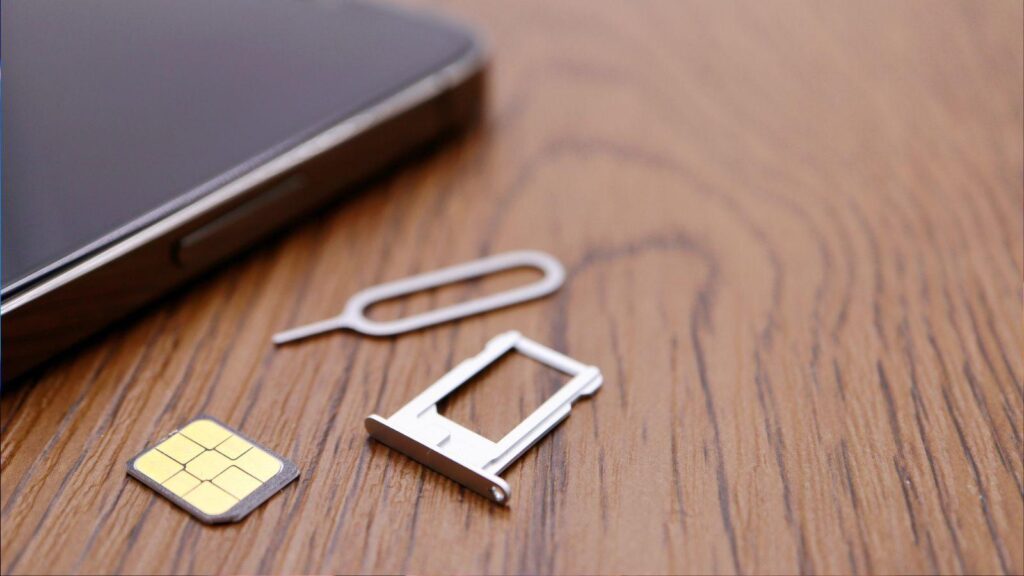
For decades, that tiny piece of plastic and silicon—the SIM card—has been the unsung hero of mobile communication. It’s been our passport to cellular networks, dutifully swapped between phones when we upgrade or travel. But its days are numbered. A new, more flexible technology is here to take its place, and it’s already changing how we connect everything from our phones to our cars.
The era of the embedded SIM, or eSIM, is upon us. It’s not just a smaller version of the card you know; it’s a fundamental shift in how devices get online.
So, What Exactly Is an eSIM?
Think of a traditional SIM card as a physical key for a specific mobile network. If you want to switch networks, you need a new key. An eSIM, on the other hand, is a digital key built directly into your device’s hardware. It’s a tiny, programmable chip that can download and store multiple network profiles at once.
This means you can switch carriers with a simple software setting or by scanning a QR code, without ever needing to find a paperclip to poke open that tiny tray on the side of your phone. It’s a simple change on the surface, but its implications are massive, especially when you think beyond a single smartphone.
The Power of Managing Connections from Anywhere
Imagine being in charge of hundreds or even thousands of devices deployed across the country for a project—like environmental sensors or smart meters. With physical SIM cards, managing their connectivity would be a logistical nightmare, requiring someone to physically access each device to swap a card. eSIM technology completely rewrites this process.
Because eSIM profiles can be provisioned and updated “over-the-air,” a company can manage its entire fleet of connected devices from a central dashboard. This is made possible through a remote SIM provisioning platform, which allows administrators to activate, switch, or deactivate cellular plans on devices anywhere in the world. This capability is foundational for the growth of the Internet of Things (IoT), making large-scale deployments practical and cost-effective.
A Game-Changer for the Modern Professional
If you travel frequently for work, you know the routine: land in a new country, hunt for a kiosk selling local SIM cards, and fumble with swapping them out, all while hoping you don’t lose your primary SIM. It’s an outdated process that creates unnecessary friction in a fast-paced world. This is where the benefits of an eSIM become incredibly personal and practical.
With an eSIM-capable device, you can purchase and activate a local data plan before you even take off. Upon landing, you simply switch to the new profile and are instantly connected, often at a fraction of the cost of traditional roaming. This convenience is why eSIM for business travel is quickly becoming the standard for globally mobile professionals who need reliable connectivity without the hassle.
The Wider Impact of eSIMs
The real excitement around eSIM technology extends far beyond smartphones. Its small size and remote programmability make it perfect for the growing world of connected devices. The ability to embed connectivity easily and manage it remotely is unlocking new potential across various industries.
We are already seeing this technology being integrated into a wide range of products:
- Connected vehicles: Modern cars use eSIMs for everything from real-time traffic updates and infotainment streaming to over-the-air software updates and emergency call services.
- Smart home devices: Security cameras, smart speakers, and other appliances can use eSIMs for a more reliable connection than Wi-Fi, especially in areas with spotty coverage.
- Wearable tech: Smartwatches and fitness trackers with eSIMs can make calls, send messages, and stream music independently, without being tethered to a smartphone.
- Industrial IoT: From agriculture sensors monitoring soil moisture to logistics trackers on shipping containers, eSIMs provide the essential link for data transmission in remote or mobile settings.
Embracing a More Connected World
The shift from a physical card to a digital SIM is more than just a minor upgrade. It represents a move toward more flexible, efficient, and truly global connectivity. For individuals, it means less hassle and more choice. For businesses, it opens the door to innovative IoT solutions that were once too complex to manage.
So, next time you upgrade your phone or consider a new smart device, check if it has eSIM support. You might be unlocking a new level of convenience you won’t want to live without.