Smartphones have reshaped nearly every part of modern life. From how we communicate and work to how we travel, shop, and stay informed, these small devices have become central to our routines. They’re not just phones anymore, they’re powerful computers in our pockets. With over 6 billion smartphone users worldwide, it’s easy to see why this device is now considered the most influential of our time.
But how did we get here? What makes smartphones so impactful? And why have they outpaced other tech in influence?
Let’s take a closer look.
From Call Machines to Pocket Computers
The first mobile phones were designed for one purpose: calling. They were large, clunky, and had limited functionality. Then came text messaging. That alone added a new layer of convenience and immediacy. But the real shift happened with the introduction of smartphones.
Devices like the BlackBerry in the early 2000s gave users access to email and basic internet on the go. But it was the launch of the iPhone in 2007 that truly redefined what a phone could be. With a touch screen, access to a growing App Store, and smooth browsing, smartphones suddenly became mini-computers.
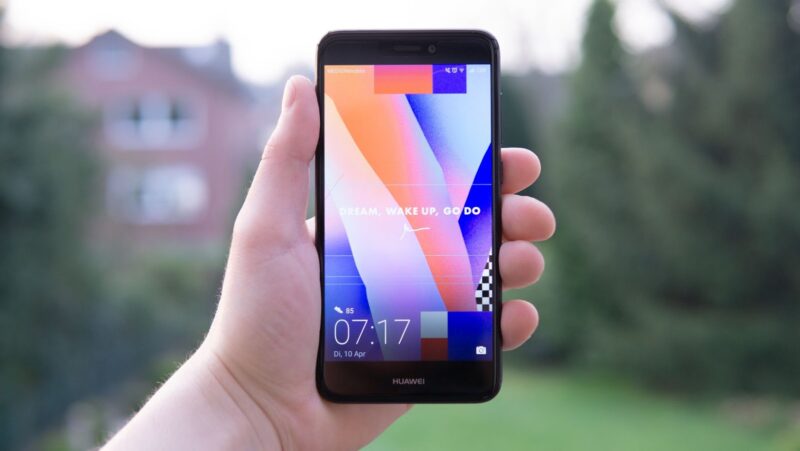
Today’s phones, like the iPhone 15, Samsung Galaxy S24, and Google Pixel 8 Pro, have capabilities that rival laptops. You can edit videos, record podcasts, design presentations, or run business meetings, all from your phone.
The Power of the App Ecosystem
One of the biggest drivers of smartphone dominance is the app ecosystem. Apps have turned phones into tools for just about anything. Need a ride? Open Uber. Want food? Tap into DoorDash. Looking to improve your sleep? Download Calm. From mobile banking to language learning, there’s an app for almost every task or interest.
Even industries that were once desktop-bound have made a smooth transition. Trading platforms, remote work tools like Slack and Zoom, photo editing apps like Lightroom, and cloud storage tools like Google Drive are now fully functional on smartphones.
In everyday life, people use their phones to track fitness goals, learn new skills, get news updates, and even manage entire businesses.
A Constant Connection to the World
What truly sets smartphones apart is how they connect us to people, to services, and to information.
Social media platforms like Instagram, WhatsApp, and TikTok thrive on mobile. These apps aren’t just entertainment anymore; they’re tools for communication, branding, and influence. In fact, many creators and entrepreneurs run their entire careers from their phones.
But beyond social media, smartphones have become an essential part of digital infrastructure. We use them to navigate with Google Maps, translate signs in real time, monitor weather conditions, or scan QR codes at restaurants. The integration into daily life is so deep that many people feel uneasy when they leave their phones behind; they’ve become digital extensions of ourselves.
Smartphones and the Rise of Convenience Culture
The smartphone made convenience the standard.
We no longer wait in lines for tickets or paper bills. Mobile wallets like Apple Pay and Google Pay make checkout fast. Booking a hotel, ordering groceries, or checking in for a flight all take seconds on a smartphone.
Even activities like sports betting, once limited to desktop sites or physical locations, are now streamlined through mobile. A wide range of platforms offer dedicated betting apps that allow users to place wagers, check scores, and manage accounts directly from their phones. It’s another sign of how smartphones have become the primary tool for personal entertainment and interaction, especially in areas where timing and accessibility matter most.
Smartphones as Tools for Creativity
These devices also empowered people to create.
With high-resolution cameras and advanced editing tools, users can shoot and edit professional-grade videos or photos. Platforms like YouTube and Instagram owe much of their content volume and diversity to mobile creators.
Music production, podcasting, and even 3D modeling can now be done on the go. Apps like GarageBand, CapCut, and Procreate make it easy to create, share, and collaborate from anywhere.
Smartphones aren’t just for consumption; they’ve become portable studios.
A Lifeline in Emergencies
Smartphones have also proven critical in emergencies. Whether it’s tracking a hurricane’s path, calling emergency services, or receiving public safety alerts, mobile devices save lives.
Health monitoring apps, SOS features, and built-in fall detection are just a few examples of how smartphones help people stay safe. In remote areas or natural disasters, they often serve as the only line of communication.
In developing regions, smartphones have leapfrogged traditional infrastructure. Mobile money services like M-Pesa in Kenya have brought financial services to millions. In many parts of the world, smartphones are the first computer people own.
A Device That Does It All
Smartphones have become more than just a piece of technology. They’re a communications hub, a GPS navigator, a camera, a gaming console, a shopping mall, a bank, a news source, and so much more, all rolled into one device.
They’ve replaced alarm clocks, calendars, flashlights, calculators, radios, and even remote controls. It’s not just the range of functions that makes them powerful; it’s the way they integrate those functions into everyday life so seamlessly.