Free time feels more rewarding when it matches the kind of experience a person wants. Some hobbies build strength, others develop creativity, practical skills or simply add more excitement to the day. An evening might include a workout, a film, a puzzle game, browsing bizbet or catching up on music and other online entertainment. The most suitable hobby depends on available time, budget, energy and whether the goal is progress, relaxation or a change of pace.
|
Hobby type |
Easy starting point |
Main appeal |
|
Fitness |
Home workout or gym |
Visible progress |
|
Creative |
Phone photography |
Personal expression |
|
Practical |
Basic cooking |
Everyday usefulness |
|
Adrenaline |
Karting or online gambling |
Excitement and uncertainty |
|
Hands-on |
Small DIY project |
Tangible results |
1. Fitness hobbies reward steady progress
Strength training is popular because improvement is easy to measure. Extra repetitions, better technique or heavier weights give each session a clear sense of progress.
The category is much wider than the gym. Swimming, cycling, rowing, boxing and calisthenics all combine physical effort with skill development. Some activities focus on endurance, while others rely more on coordination or strength.
A simple routine usually works better than constantly changing activities. Regular sessions make it easier to notice improvements and decide whether the hobby genuinely fits everyday life.
2. Creative hobbies change how familiar places look
Photography can turn an ordinary walk into a search for light, colour, reflections and interesting details. A phone camera is enough to begin, while dedicated equipment adds more control once the hobby becomes more serious.
Editing creates another creative layer. Composition, cropping and colour correction can transform a quick photograph into something more deliberate.
Other creative hobbies work in a similar way. Drawing, music production, writing and video editing all offer room to experiment without requiring immediate mastery. Progress comes from developing a personal style rather than reaching one fixed result.
3. Cooking brings creativity into daily life
Cooking combines experimentation with an immediate practical result. Learning how heat, seasoning, texture and timing work together can improve everyday meals while opening the door to more ambitious dishes.
The hobby does not require an expensive kitchen. A dependable knife, pan and thermometer cover many basic techniques. From there, bread, grilling, sauces, pasta or regional cuisines can become separate areas to explore.
Cooking also changes naturally over time. Following recipes may be the starting point, but experience gradually makes it easier to adjust ingredients and create meals without relying on detailed instructions.
4. Adrenaline hobbies add excitement and uncertainty
Some hobbies are appealing because they combine preparation with unpredictability. Karting, climbing, surfing, mountain biking and track experiences all require attention, timing and quick reactions, which makes them attractive to people who enjoy a stronger sense of excitement.
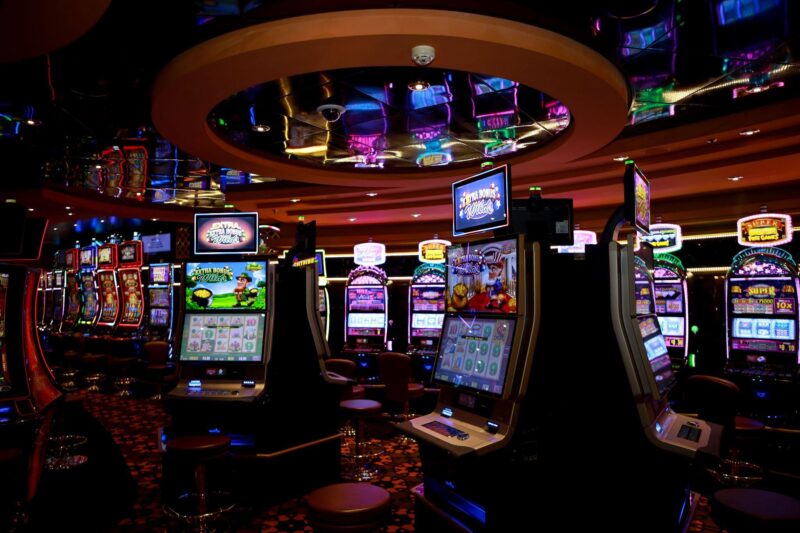
Online entertainment can offer a different kind of variety. Films, music, puzzle games and gambling may all form part of someone’s leisure time, depending on mood and preference. On a smartphone, several options can sit side by side, with the bizbet apk file available for users who choose that form of entertainment.
When choosing an activity, it helps to consider:
- how much free time is available;
- whether the activity feels active or relaxing;
- what equipment or preparation it requires;
- whether it works better alone or with others;
- how easily it can fit into a regular routine.
Physical adrenaline hobbies can also be explored gradually. Renting equipment before buying it, trying beginner sessions and increasing difficulty over time makes it easier to discover whether an activity is genuinely enjoyable before committing more time or money to it.
5. DIY hobbies leave something tangible behind
DIY and woodworking appeal to people who enjoy solving practical problems. Building a shelf, restoring furniture, repairing a bicycle or learning simple electronics produces a visible result at the end of the project.
Small projects are usually the easiest entry point. Measuring accurately, choosing the right tool and understanding the material matter more than speed. Each finished repair also makes the next task less intimidating.
Hands-on hobbies can expand in many directions. Woodworking may lead to furniture restoration, basic electronics can develop into home automation, and bicycle maintenance can become a deeper interest in mechanics.
Different hobbies satisfy different needs. Fitness offers measurable progress, creative activities encourage observation, cooking combines experimentation with usefulness, adrenaline hobbies bring excitement, and DIY creates something that lasts. The best choice is not necessarily the most fashionable one, but the activity that makes free time feel worth returning to.