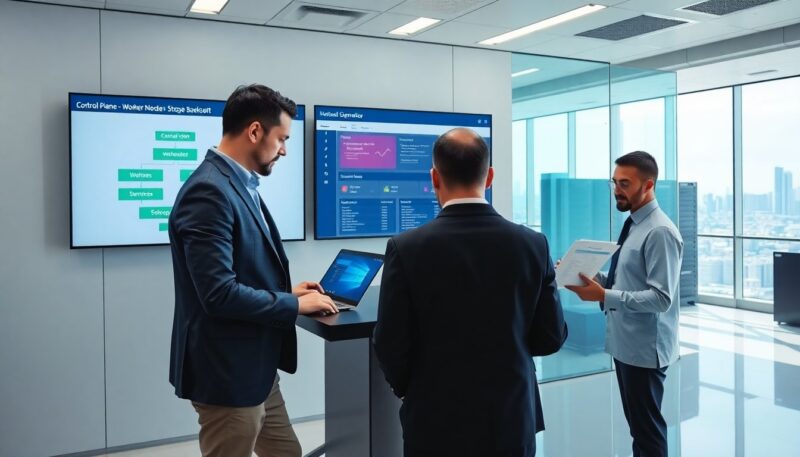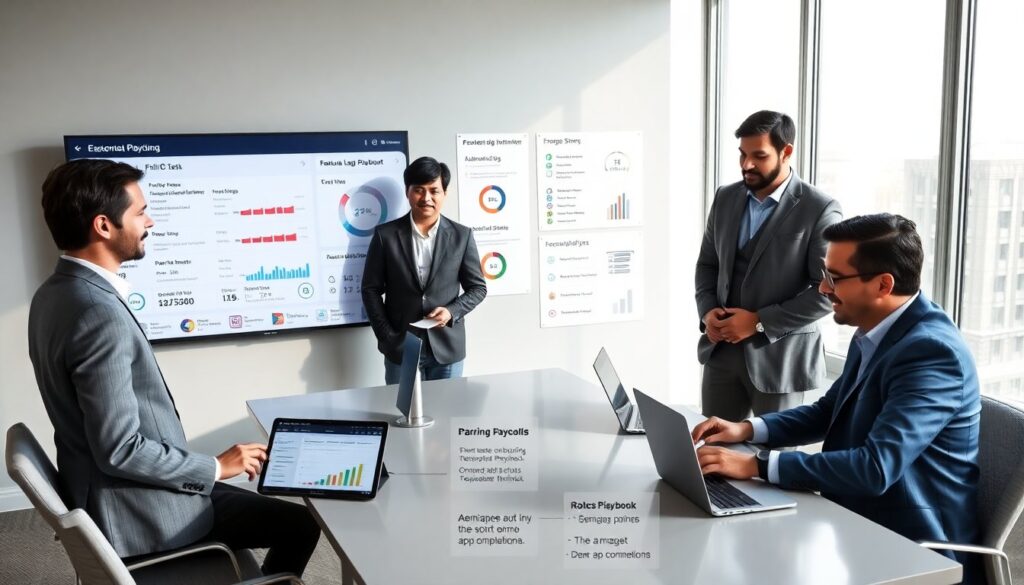
Beaconsoft tips for tech show clear steps teams can use right away. The guide lists practical practices aimed at faster onboarding, smoother builds, and better measurement. It presents role-based playbooks, automated docs, CI/CD choices, feature flags, branch rules, KPIs, observability, and feedback loops. The guidance targets engineers, managers, and operators who want steady gains in team output and code quality.
Key Takeaways
- BeaconSoft tips for tech emphasize role-based playbooks and automated documentation to optimize onboarding and reduce ramp time for new hires.
- Adopting lightweight CI/CD pipelines with fast feedback mechanisms and feature flags helps teams deploy frequently while minimizing risk.
- A simple branch strategy with protected main branches and code reviews ensures predictable deployments and cleaner code history.
- Measuring key KPIs like cycle time and defect rates with real-time dashboards enables timely identification of trends and team improvements.
- Implementing observability and continuous feedback loops between product, engineering, and support accelerates issue resolution and drives steady quality gains.
- BeaconSoft tips for tech encourage small, measurable goals combined with instrumentation and fast feedback to improve team output and code quality continuously.
Optimize Onboarding With Role-Based Playbooks And Automated Docs
Teams applying tips for tech beaconsoft create role-based playbooks first. The playbook lists tasks, tools, and expectations for each role. The onboarding lead assigns a playbook to a new hire on day one. The documentation system serves standardized steps and links to code, tickets, and runbooks. The automated docs update when repositories change. The automation reduces stale pages and saves time. They use small checklists for common tasks. The checklists guide local setup, secret access, and test runs. The onboarding system grants access after a pass on simple checks. The system logs when the new hire completes each step. Managers review the logs weekly to remove blockers.
Teams that follow beaconsoft tips for tech run short pairing sessions. A senior engineer pairs for one hour on day two. The pair focuses on a single story and a short code walkthrough. The session teaches code layout, deployment steps, and test habits. The sessions repeat for the first two weeks. The sessions help new hires ship small wins fast. The wins build confidence and reduce ramp time.
Teams also create reusable demo apps. The demo app shows the CI flow and the deploy process. The demo app acts as a safe place to learn. The demo app mirrors production configs but uses test data. The demo app reduces fear and accelerates learning. The result matches the beaconsoft tips for tech goal of repeatable, low-friction onboarding.
Streamline Development With Lightweight CI/CD, Feature Flags, And Branch Strategy
Teams that follow beaconsoft tips for tech pick a lightweight CI pipeline. The pipeline runs unit tests, lint, and a quick build. The pipeline fails fast on obvious errors. The team moves heavy integration tests to a scheduled job. The split keeps pull requests quick and review cycles short. The CI system posts clear results to the pull request. The result reduces blocked reviews and speeds merges.
Teams adopt feature flags to deploy often. The flags let teams merge incomplete features behind a toggle. The flags reduce long-lived branches and eliminate big merges. The release manager flips flags for small user groups first. The practice lowers risk and shortens feedback time. The team removes flags after the feature stabilizes.
Teams set a simple branch strategy. The strategy uses short-lived feature branches and a protected main branch. The team requires code review and passing CI before merge. The team uses rebase or squash to keep history tidy. The strategy prevents drift and keeps deployment predictable. Teams that follow beaconsoft tips for tech also use pre-merge previews for complex UI work. The previews give reviewers a running app and reduce back-and-forth.
Teams automate deploys for main and staging. The automation tags releases and creates rollback steps. The team documents rollback in a single page. The page lists commands and checks. The clear plan cuts deploy anxiety and helps the on-call engineer act fast.
Measure What Matters: KPIs, Observability, And Continuous Feedback Loops
Teams following beaconsoft tips for tech pick a small set of KPIs. The KPIs include cycle time, mean time to restore, and defect rate. Each KPI links to a dashboard that updates hourly. The team reviews the dashboards in the weekly sync. The review identifies trends and next actions.
Teams add observability to critical paths. The team instruments requests, background jobs, and key transactions. The telemetry sends traces, metrics, and logs to a single observability layer. The team alerts on business-impacting symptoms. The alerts include a short playbook to reduce noise and speed response. The on-call rota uses the alerts to prioritize fixes.
Teams keep a continuous feedback loop between product, engineering, and support. The loop captures user issues, assigns owners, and tracks fixes. The team uses a triage board to surface high-impact problems. The board links incidents to postmortems and action items. The postmortems name the cause, list the fix, and set a due date for follow-up.
Teams measure the impact of changes. They A/B test features and monitor error budgets. They roll back or throttle changes when metrics deteriorate. The team records experiments, results, and decisions in a shared space. This record helps the team learn faster and repeat what works.
The practices in this section match the core beaconsoft tips for tech idea: choose a few measurable goals, instrument the system, and close the feedback loop quickly.