
Gaming has become a primary pillar of Australian entertainment, with around 82% of the population engaging in digital play. This massive participation rate reflects a mature market where digital interaction is a standard lifestyle choice rather than a niche hobby. The local industry thrives on variety, driven by how people integrate gaming into their daily schedules and domestic routines. From high-end console sessions on the weekend to quick mobile interactions during a commute, the preference remains focused on easy access, reliable performance, and high-quality engagement.
1. Casino-Style and Chance-Based Games
Casino-themed titles hold a massive share of the local digital space because they don’t demand hours of focus. Unlike a sprawling open-world adventure, these games are built around quick results and probability. For many, the draw is simplicity; something that works just as well on a lunch break as it does on a quiet evening.
The last ten years have seen a huge move toward digital versions of traditional gaming floors. Many locals now look to online casinos in Australia to find a variety of games that physical pubs or clubs simply can’t stock. From thousands of different pokie themes to live-streamed dealer tables, the convenience is the real driver here. This part of the industry has also been quick to modernize, bringing in tech like Bitcoin and Ethereum alongside regular banking to make sure these games stay relevant to a tech-savvy audience.
2. Action and Adventure Games
These titles are a staple for many, mostly because they prioritize a mix of exploration and rewarding gameplay. Unlike more static genres, these games are built on momentum, using combat, discovery, and clear narrative goals to keep players moving forward. You’ll mostly see this genre thriving on consoles and PCs, where users typically have the time for longer, more immersive sessions.
What really keeps this genre popular is how well it bends to a player’s schedule. Because these games track progress so well, they allow people to pick up exactly where they left off. This balance of intense challenge and open exploration makes the genre remarkably adaptable to different lifestyles.
3. Puzzle and Casual Mobile Games
Puzzle titles are a staple due to their sheer accessibility. Unlike reflex-heavy genres, these games center on logic and patterns, making them ideal for quick mobile sessions during a commute or break.
This casual approach provides a sense of accomplishment in just minutes. It appeals to those who want a structured experience without a massive time sink. Because the barrier to entry is so low, the genre remains consistently popular across all age groups.
4. Shooter and Competitive Multiplayer Games
Shooters and competitive multiplayer titles function more like digital sports. These games aren’t driven by story, but by measurable skill and performance. With ranked ladders and team-based goals, the appeal lies in the repeatable challenge of outdoing an opponent.
Because matches happen in real-time, online play is often a social routine. It lets players squad up with friends or face familiar rivals, making each session a communal event. The match-based format also helps manage time; players can jump in for a set block without an open-ended commitment.
5. Sports and Racing Games
These games draw on familiar real-world activities, which lowers the barrier to entry. Rules, objectives, and scoring systems are immediately recognisable, making these games approachable even for players who do not identify as regular gamers.
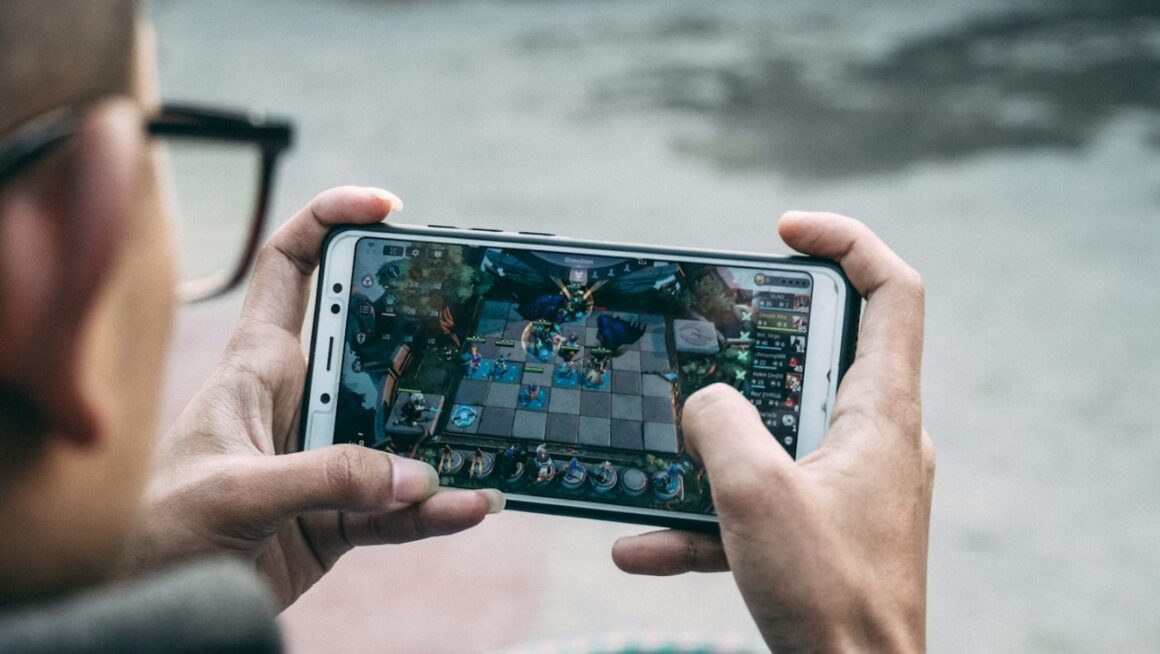
Racing games in particular benefit from clear goals and intuitive controls. Sessions can be brief or extended depending on player preference. Sports simulations often mirror seasonal play patterns, encouraging repeat engagement while maintaining a predictable structure.
6. Strategy and Simulation Games
Strategy and simulation titles appeal to players who enjoy planning and decision-making over extended periods. These games tend to unfold gradually, rewarding foresight and system management rather than speed. Engagement is often deeper but less frequent compared to casual genres.
Simulation games range from management-focused experiences to open-ended systems where players define their own objectives. While these formats attract a more specialised audience, they maintain long-term relevance due to the depth they offer.
7. Social and Hybrid Game Formats
The lines between categories are blurring. Many modern titles are now hybrids, blending strategy elements into action games or adding social layers to casual play. This shift reflects how player expectations have changed, favoring deeper variety within a single title.
Social features now act as a unifying force across most popular formats. Through co-op modes and community challenges, social interaction drives long-term engagement regardless of the genre. In the Australian market, social play has become a vital connector rather than a standalone category.