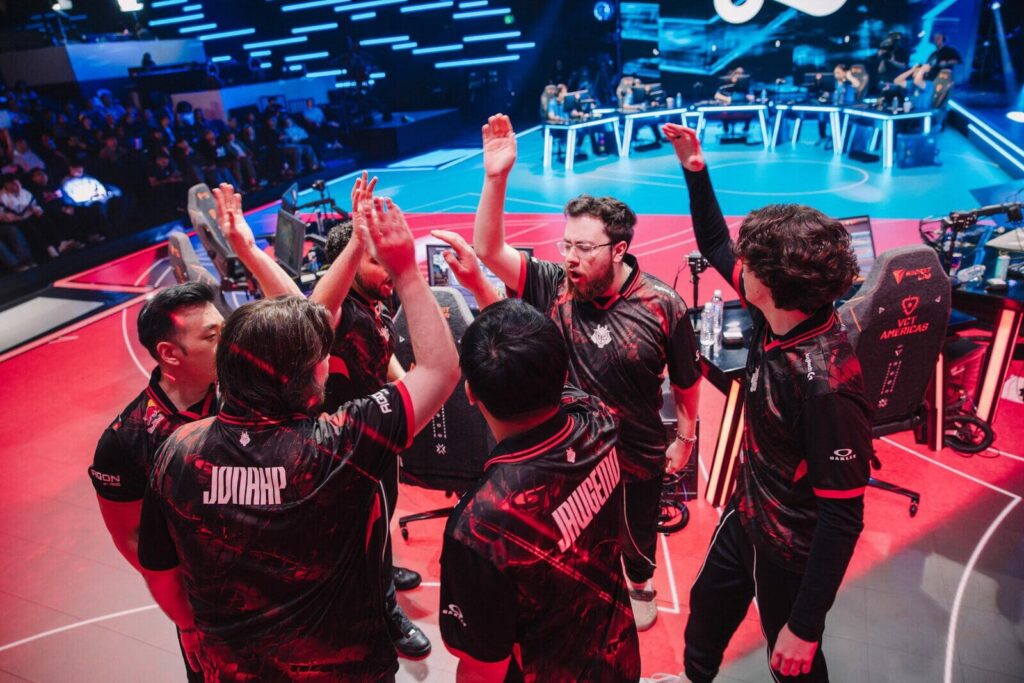
In modern professional esports, the density of the competitive calendar has become one of the defining factors in a team’s success or failure. The proper distribution of energy between tournaments correlates directly with the physical and mental state of the players. Irrational planning often leads to accumulated fatigue, which inevitably affects reaction speed and the quality of decision-making during critical moments. Understanding the structure of the schedule allows analysts and coaches not only to predict results but also to minimize the risks of professional burnout. Thus, the match schedule transforms from a simple list of dates into a strategic tool for performance management.
The Impact of Tournament Intensity on Physical Condition
The dense schedule of modern championships often forces teams to play several series of matches within a short period, creating a colossal strain on the body. Constant tension in the absence of full rest leads to physical overfatigue, slowed reflexes, and decreased movement precision. Without a proper balance between gaming sessions and relaxation, even the most experienced esports athletes begin to lose efficiency by the middle of the tournament distance.
Long flights between time zones combined with a rigid competition calendar only amplify this pressure. For example, by analyzing the current vct schedule, one can notice how the high density of matches in regional leagues directly affects the quality of team preparation for the playoffs. Jet lag and disrupted nutrition undermine cognitive abilities, forcing athletes to struggle not only against opponents but also against their own fatigue.
In high-dynamics disciplines such as Valorant or CS, a reaction slowdown of even a few milliseconds can lead to defeat in a key duel. When a player’s physical condition drops, it affects not only individual shooting but also the overall coordination of team actions. Therefore, keeping the body in top shape becomes just as important a part of the training process as studying tactics or practicing aim on specialized maps.
Adaptation to Match Format and Scheduling
The format of encounters, whether best-of-one (Bo1) or best-of-five (Bo5) series, imposes specific requirements on the physical and mental endurance of players. In short series, psychological pressure is higher due to the lack of room for error, while protracted confrontations deplete the body’s energy resources. It is vital for an esports athlete to maintain concentration regardless of whether a match lasts thirty minutes or several hours, which requires specialized training.
Evening matches that stretch late into the night seriously disrupt circadian rhythms, which is particularly critical for disciplines requiring pinpoint accuracy and instantaneous decision-making. In games like League of Legends or Dota 2, long series require participants to maintain clarity of thought for five or more consecutive hours under the spotlight. If the schedule does not account for time for full recovery between such marathons, the quality of the spectacle drops due to frequent errors caused by simple biological exhaustion.
Teams with the resources to adjust their internal routine to the organizers’ official schedule gain a significant advantage over less disciplined opponents. Synchronizing sleep-wake cycles with stage time allows players to be at the peak of their capabilities at the right moment. Thus, adaptation to the timing of encounters becomes a strategic element that minimizes the risk of failure due to loss of focus in decisive rounds.
Psychological Pressure and Strategic Preparation
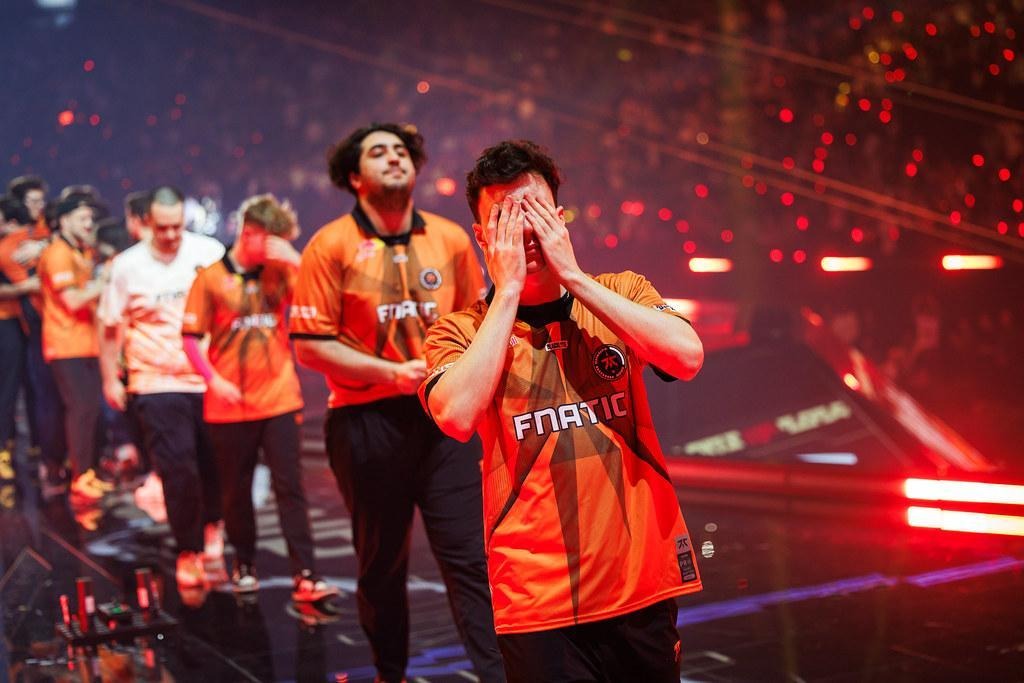
The tight schedule of major tournaments significantly limits the time a team can spend on high-quality study of a specific opponent’s strategies. When official matches follow one after another with minimal intervals, players and analysts must rely on practiced patterns and universal setups rather than a deep search for the current enemy’s weaknesses. In such conditions, victory often goes to those whose basic gameplay is more stable, yet this deprives the competition of fine tactical adjustments, making matches more predictable.
This problem is particularly acute in disciplines like Dota 2, where the complex character selection stage largely determines the outcome of a meeting before it even begins. A lack of time for preparation and analysis of the opponent’s recent games can lead to a strategic fiasco during the draft, as the team simply does not have time to devise countermeasures against specific hero combinations. The inability to break down opponent replays in detail under time pressure forces captains to act cautiously, which sometimes goes against the need to take risks to achieve victory.
The psychological pressure of having to constantly stay “on” without the opportunity to emotionally reset inevitably leads to a gradual loss of motivation. Coaches and managers are forced to find a difficult balance between maintaining training intensity and preserving the mental freshness of the roster during a busy season. Chronic stress from a rigid schedule reduces the creative potential of players, turning the creative process of the game into monotonous work. Ultimately, it is psychological endurance and the staff’s ability to competently distribute the emotional load that become the decisive factors in the fight for titles.
Long-Term Planning and Peak Performance
Reaching the peak of gaming form requires a strict cyclical approach, where periods of maximum training loads must alternate with phases of full recovery. The schedules of top world championships are usually built so that the year’s main events become the natural culmination of months of preparation. Without considering these cycles, players risk wasting their potential in secondary stages, leaving no margin of safety for final confrontations. Systematic planning allows a team to approach key games in optimal physical and psychological condition.
However, the modern excess of intermediate online tournaments and qualifiers often introduces chaos into the training process, leading teams to reach the season’s most important starts in a state of deep emotional exhaustion. In such conditions, even the most talented rosters may show mediocre results due to a loss of “gaming appetite” and dulled instincts. In competitive fighting games, such as Street Fighter, professional players often consciously skip secondary tour stages to maintain peak concentration for key qualifiers and the final world championship.
Competent calendar management allows management to distribute the organization’s internal resources to show the maximum level of play exactly when prestigious titles and large prize pools are at stake. This requires courage from leadership to decline participation in certain events for the sake of maintaining the roster’s long-term competitiveness. Ultimately, victory in the marathon of a professional season goes to those who know how to plan their strength over the distance, rather than trying to win every available match. Statistics and schedule analysis become just as important here as actual gaming skill.
Conclusion
To summarize, it must be recognized that the match schedule is the foundation upon which all athletic preparation is built. It dictates the pace of training, determines stress levels, and directly impacts the longevity of professional players’ careers. Ignoring fatigue factors and irrational planning inevitably leads to a decline in competitive standards. In the future, the role of sports psychologists and managers in optimizing schedules will only grow stronger, ensuring a balance between the industry’s commercial interests and the health of the participants.