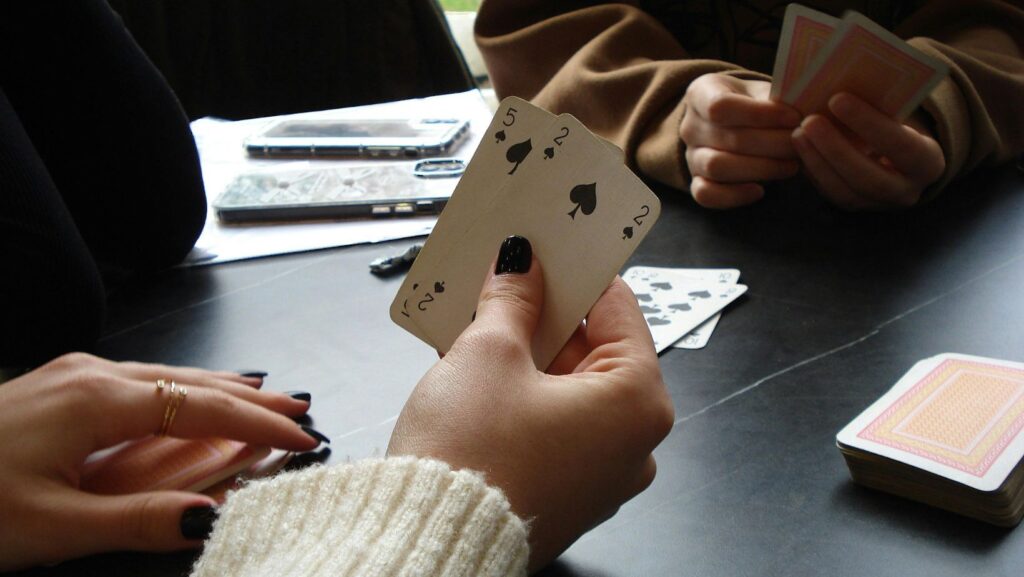
Party games seem simple at first glance: open a box, shuffle some cards, and let the laughter roll. But if you’ve ever tried to run a game night with a mix of late arrivals, shy guests, and that one friend who always wants “just one more round,” you know it’s not that easy. Suddenly, your cozy game becomes too slow, too noisy, or too confusing for half the room.
Modern social lives are already fragmented between screens, casual online challenges, and the occasional quick flutter on digital platforms where people might click here to chase a burst of adrenaline. Around an actual table, though, what most people secretly want is something steadier: a way to feel included, relaxed, and entertained no matter how many friends show up.
Below, we’ll look at what makes a party game genuinely “scalable” — able to work well with small, medium, and larger groups — and how to pick the right style for your own social circle.
What Makes a Party Game Truly Flexible?
A game that works across group sizes usually nails three quiet but crucial design ideas:
- Elastic player count
Rules that support a wide range of players without needing complicated variants. Ideally, adding two more people doesn’t mean pulling out a separate rulebook. - Low downtime
Nobody wants to sit silently waiting for ten other people to finish their turns. Flexible games keep everyone mentally engaged even when it’s not their move. - Simple, memorable rules
When a game can be explained in a few clear sentences and picked up mid-session by latecomers, it becomes much easier to adapt to a changing group.
These design traits matter more than the exact theme or components. They determine whether a game can gracefully handle that moment when you invite “just one or two more friends” and suddenly find ten people in your living room.
Small Circles: Intimate Games for 3–4 Players
In a very small group, the room feels quieter, and people often want something slightly more thoughtful. Here, the best party games:
- Encourage conversation over chaos.
- Let players read each other’s expressions, not just follow mechanical steps.
- Avoid heavy bookkeeping or fiddly components that break the mood.
Word-guessing or clue-giving games shine in this setting. Having only a few players means you can dig deeper into in-jokes, subtle hints, and playful misdirection. Each person gets more time to speak, and the social focus naturally rotates among the group.
Analytically, these games work because they amplify social bandwidth: there’s time to notice tone of voice, facial expressions, and small gestures. That kind of detailed interaction becomes harder to sustain as the player count climbs.
Medium Groups: 5–8 Players and the Art of Inclusion
Once you move to medium-sized groups, the main challenge shifts from depth to inclusion. The game needs to keep everyone feeling involved while still moving briskly.
Games that work well here usually have:
- Short turns, so the time between your moves never feels painfully long.
- Shared information, so you can follow what others are doing and mentally prepare your next play.
- Clear scoring or progress, so even casual players can tell who’s leading and how the group is doing.
Team-based games become especially powerful at this size. When people play in pairs or small teams, quieter players can share ideas with a partner instead of performing in front of the entire group. That structure can gently bring more reserved guests into the fun without putting them on the spot.
From a design perspective, medium-group games juggle parallel attention: they allow small clusters of focused interaction (teams, pairs, or neighboring players) while maintaining a sense that everyone is still part of the same shared experience.
Big Crowds: 9+ Players Without the Chaos

Large groups are where some party games fall apart. If the design isn’t ready for that many people, the evening drifts into side conversations and bored scrolling on phones.
For big crowds, adaptable games tend to share several traits:
- Simultaneous play: many people act at once — writing, drawing, secretly voting, or choosing cards.
- Simple, repetitive structure: each round follows the same easy pattern, so new players can join in without a full rules lecture.
- Humorous outcomes: the results (drawings, guesses, mismatched clues) are entertaining even for onlookers.
These games succeed because they manage energy distribution. Instead of forcing the group to funnel attention through a single person’s turn, they let chaos bloom in a controlled way, then pull everyone back together to laugh at the outcomes.
Balancing Skill, Luck, and Laughter
For a game to work across sizes, the balance between skill and luck matters more than people often realize.
- Too much skill in a large group can create a hierarchy: a few strong players dominate, and newer or more casual players feel like extras.
- Too much luck can make focused players disengage; they want at least a little sense of agency.
The sweet spot tends to be games where clever decisions are rewarded, but a dash of randomness or social unpredictability prevents any single player from consistently steamrolling the table. This balance softens egos, keeps outcomes surprising, and makes it easier for people of different experience levels to play together without frustration.
Teaching Rules Without Killing the Mood
The biggest hidden enemy of a flexible party game is not the mechanics themselves, but the explanation. A perfectly fine game can feel unbearable if it takes fifteen dry minutes to describe.
Good “any group size” party games usually:
- Have a natural first-round demo where people learn by doing.
- Allow “good enough” understanding — players don’t need to know every corner case to start.
- Offer visible examples on cards or boards so people can infer patterns.
As the unofficial host, you can help by framing the game in plain language: “We’re basically just trying to make each other guess words using related clues,” or “All we’re doing is playing cards that change the order and trying to get rid of our hand.” This kind of relaxed explanation helps players feel safe to make mistakes, which in turn leads to more laughter and less self-consciousness.
Choosing the Right Game for Tonight
If you’re staring at a shelf full of colorful boxes before your friends arrive, here are a few practical, analytical questions to guide you:
- How many people are likely to show up — and could that number change a lot?
Pick games with elastic player counts and simple joining rules if your headcount is uncertain. - What’s the energy level?
- Tired group: choose lighter, more cooperative or semi-cooperative designs.
- High-energy crowd: pick fast-paced, silly games with simultaneous actions.
- Tired group: choose lighter, more cooperative or semi-cooperative designs.
- How well do people know each other?
- Close friends: games that rely on in-jokes, bluffing, and social reads.
- Mixed or new group: games that don’t require personal knowledge to be fun.
- Close friends: games that rely on in-jokes, bluffing, and social reads.
- How much rules patience does this group have?
If people tend to fidget during explanations, favor games that can be grasped in one or two sample turns.
The Quiet Design Secret Behind Great Party Nights
In the end, games that work with any group size have a subtle common thread: they respect people’s social bandwidth. They don’t demand intense focus from everyone all the time, but they always offer something fun to pay attention to. They adapt to late arrivals, early departures, and fluctuating energy without collapsing into confusion.
The specific title you choose matters less than the feeling your group walks away with: included, amused, and maybe a little surprised at how much fun you had with a simple deck of cards or stack of word tiles. When a game can deliver that feeling for three players on a quiet Tuesday and twelve players on a chaotic Saturday, you’ve found something special — a party game that truly scales with your life.