Quick Answer
Solar panel installation in Vancouver usually costs between $18,000 and $32,000 before rebates for a typical home system, depending on size and roof complexity. Most homeowners see a payback period of 10 to 14 years, helped by BC Hydro credits and provincial rebates. With rising electricity rates and a mild coastal climate, solar remains a practical long-term investment for many Lower Mainland households.
Introduction
Your hydro bill lands every two months, and the number keeps creeping higher. Sound familiar? Plenty of Vancouver homeowners have started eyeing their sunny south-facing roofs and wondering if all that daylight could be doing more than warming the shingles.
That curiosity is what leads many people to companies like 604 Go Solar, where the goal is turning a rooftop into a small power plant. Solar has changed a lot in recent years. Panels are cheaper, they hold up better under cloud, and the rules around credits and rebates have shifted enough that timing your project matters more than it used to.
This guide covers how much solar panels cost in Vancouver, how much you can expect to save, and what the installation looks like from first quote to switch-on. Practical details, nothing else.
What a Rooftop Solar System Costs in Vancouver
Price is the first thing on everyone’s mind, and the honest answer is that it depends on your home. The numbers still fall into a predictable range once you know what shapes them. In Greater Vancouver, a standard grid-tied residential system runs roughly $18,000 to $32,000 installed before any rebates. Most homes land somewhere in the middle.
Size drives the biggest share of that. Systems are measured in kilowatts (kW), and more panels mean more power and more cost. Here’s how typical sizes break down for a Lower Mainland home:
|
System Size |
Rough Installed Cost |
Best Suited For |
|
6 kW |
|
Smaller homes, lower usage |
|
8 kW |
|
Average family household |
|
10 kW |
|
Larger homes, higher demand |


A few other things nudge the final quote up or down. Reading a bid gets much easier once you know how does solar power work along with these factors:
- Roof shape and condition: A steep pitch, several roof planes, or older shingles needing reinforcement all add labour and materials.
- Panel and inverter quality: Tier-1 panels and microinverters cost more upfront but often perform better on shaded, tree-lined streets.
- Battery storage: Adding a battery typically tacks on $12,000 to $18,000, since it brings a hybrid inverter and often a subpanel into the job.
- Electrical upgrades: Homes with an older 100-amp panel sometimes need a service upgrade before a larger array can be supported.
How Installers Price the Job
Most quotes are built by the watt, and the going rate in Vancouver sits around $2.80 to $3.50 per watt installed. That figure covers the panels, inverters, racking, wiring, and the permits your contractor files. Bigger systems usually cost a little less per watt because equipment is bought in bulk, though the total is still higher since you’re buying more hardware.
Rebates That Shrink the Sticker Price
The upfront number is not what most people actually pay. British Columbia has one of the stronger incentive stacks in the country, and combining them properly makes a real dent:
- BC Hydro solar rebate: Worth up to several thousand dollars for eligible grid-tied residential installs, subject to pre-registration.
- PST exemption: Solar equipment is exempt from provincial sales tax, saving roughly $2,000 on an average system.
- Battery rebate: Available separately if you pair storage with your panels.
One recent catch changed things. As of June 1, 2026, rebate-eligible installs must be completed by a Home Performance Contractor Network member, so check your installer’s status before you sign. That eligibility question leads straight into the bigger picture: what solar actually does for your home once it’s running.
How Solar Power Turns Daylight Into Lower Hydro Bills

Once your system is live, the payoff shows up on your bill. It helps to picture what’s happening on the roof, though. The panels turn daylight into direct current electricity, and an inverter converts that into the alternating current your home uses. Anything extra flows back to the grid. This is how solar power works, and it runs every daylight hour without any input from you.
Savings arrive from two places. You buy less electricity from BC Hydro, and you earn credit for what you send back. A well-sized 6 kW system in the Lower Mainland generates around 6,500 kWh a year, trimming a meaningful slice off a typical household bill. With BC Hydro rates climbing close to 4% a year, every kilowatt you produce yourself is worth a little more each year.
One change is worth knowing before you commit. Starting July 1, 2026, BC Hydro moved new customers to a self-generation rate that credits exported power at 10 cents per kWh, rather than the old one-to-one arrangement. The practical takeaway is simple: size your system to match what your household actually uses instead of chasing maximum export.
The benefits of switching to solar reach past the monthly bill. Here’s what homeowners tend to value most:
- Predictable energy costs: Producing your own power for decades shelters you from future rate hikes.
- Higher home value: A quality installation can lift resale value by roughly 3 to 5%.
- Lower carbon footprint: Every kWh from your roof is one less drawn from the grid.
- Low upkeep: Panels have no moving parts and generally need little more than the occasional rinse.
Payback in Vancouver typically lands in the 10-to-14-year window. Since quality panels carry 25-year warranties, that leaves a long stretch of cheap power afterward. Knowing what to expect during setup makes that whole timeline feel far less daunting.
What Happens During a Solar Panel Installation
Booking solar can feel like a big commitment, but the actual job is more orderly than most people expect. The solar panel installation process follows a clear sequence, and a good contractor handles most of the paperwork for you. Knowing the stages ahead of time helps you tell a well-run project from a rushed one.
- Site assessment: An installer reviews your roof, shading, and electrical panel, then designs a system sized to your usage.
- Quote and rebate registration: You receive a detailed bid, and your eligibility for BC Hydro incentives is confirmed before anything is ordered.
- Permits: Your contractor files the Technical Safety BC electrical permit and the municipal building permit for roof attachments.
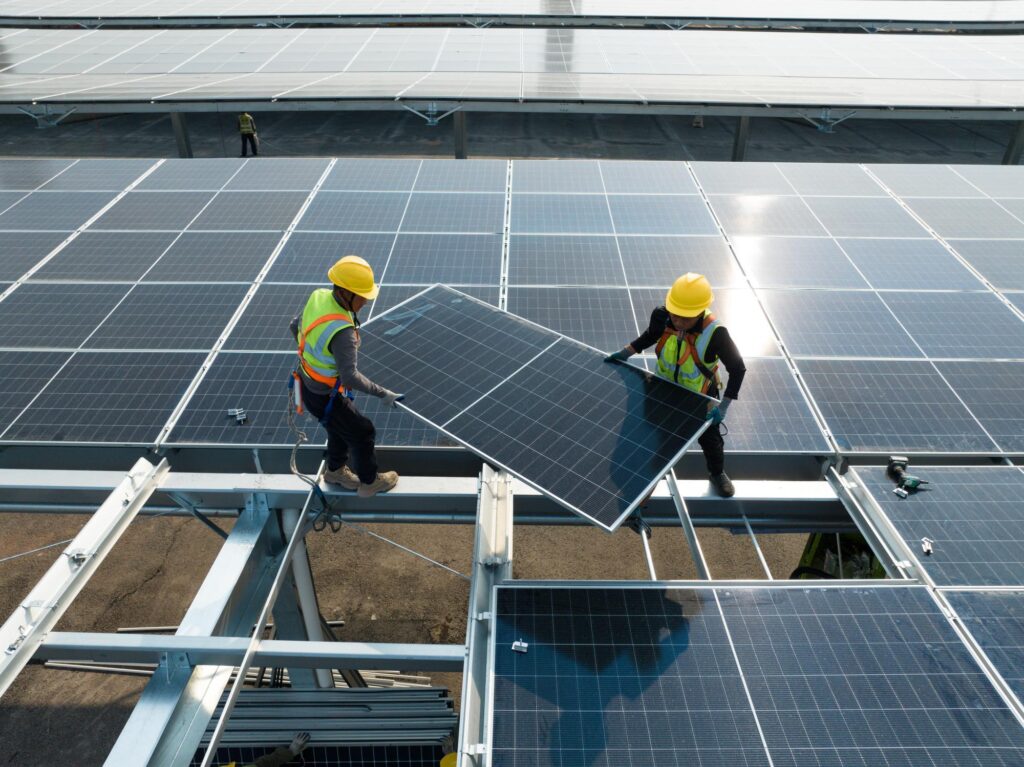
- Installation day: Racking, panels, and the inverter go up, usually over two to three days depending on system size and roof complexity.
- Inspection and connection: The system is inspected, then BC Hydro approves the interconnection so you can switch on.
Most homeowners are surprised by how little disruption the physical work causes. Your power stays on the whole time, and the crew handles the wiring and mounting without needing much from you beyond roof access. The longest part is often the waiting between steps, since permits and utility approval move on their own schedule.
A few habits make the whole thing smoother:
- Ask about the contractor’s HPCN status before signing, since it affects rebate eligibility.
- Get more than one quote so you can compare equipment and pricing fairly.
- Confirm the warranty terms on both panels and workmanship.
With the array live and inspected, your roof starts earning its keep, and the finish line comes into view.
Is Solar Worth It for Vancouver Homeowners?
Going solar in Vancouver is no longer a fringe choice for early adopters. With installed costs landing between $18,000 and $32,000, a solid rebate stack, and payback arriving in about a decade, the math works for a growing number of Lower Mainland homes. The coast’s cloudy reputation matters less than people assume, since modern panels pull steady output even from diffused light.
The fine print decides a lot, though. Sizing your system to match your own usage, choosing a rebate-eligible contractor, and understanding the newer BC Hydro export rate all shape how quickly your investment pays off. Gather a few quotes and read the terms closely before you commit.
Sunlight keeps arriving whether you capture it or not. For many Vancouver homeowners, turning that daily light into decades of lower bills is a decision that only gets easier to justify each year the rates climb.