bsaicenter beacon soft demo download is the quickest way to test BeaconSoft. This guide shows what BeaconSoft does, what systems it needs, how to download the demo, and where to get help. The steps are clear and simple. The reader will follow short instructions and complete the demo install with minimal risk.
Key Takeaways
- BSAICenter BeaconSoft demo allows IT and broadcast teams to test device management and signal monitoring features with limited connections before purchasing.
- The demo requires a recent Windows Server or modern Linux system with at least 4 CPU cores, 8 GB RAM, and 50 GB disk space for optimal performance.
- Download the demo from the official source, verify the checksum, and install using a dedicated service account with recommended network port settings for security.
- Troubleshoot common issues by checking network connections, permissions, port conflicts, and service status, while keeping logs for vendor support.
- After completing the BSAICenter BeaconSoft demo download and test, teams should evaluate license options, scalability, and consider alternative tools for mobile or streaming workflows.
What Is BSAICenter BeaconSoft And Who Should Try The Demo
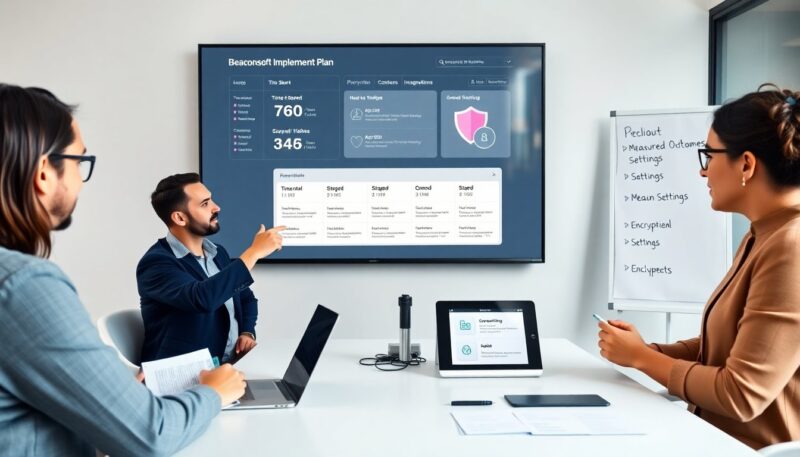
BSAICenter BeaconSoft is an application for device management and signal monitoring. It collects status data, displays dashboards, and sends alerts. IT staff, broadcast engineers, and small operations test the demo first. The demo shows core features and allows limited device connections. The demo helps teams check compatibility and workflow fit before they buy. The demo also evaluates performance under typical loads. If a team manages receivers, encoders, or stream transport, they should try the demo. If a team needs long-term support or heavy scale, they can compare license types after the trial.
System Requirements, License Types, And Safety Considerations
BeaconSoft requires a recent Windows Server or modern Linux distribution. The app needs 4 CPU cores, 8 GB RAM, and 50 GB disk for a demo. The demo runs on a laptop but performs better on a dedicated server. Licenses include trial, perpetual, and subscription options. The trial license usually limits concurrent devices and features. A subscription adds updates and online support. For safety, users should verify the download checksum and run the installer with least privilege. The demo installer asks for network ports: the user should only open ports recommended in documentation. The user should back up configurations before applying production data.
Step‑By‑Step Demo Download And Installation Guide
The user starts by locating the official demo download link. The user downloads the installer onto the test server. The user verifies the file checksum if provided. The user runs the installer as an administrator. The installer asks for an installation path and optional components. The user accepts defaults for a quick test. The installer prompts for service account credentials for background services. The user provides a dedicated account rather than an admin account. The installer then configures ports and database settings. The installer starts the service and opens the web console. The user logs in with the supplied demo credentials and follows the onboarding wizard.
Common Troubleshooting Tips During Download Or Install
If the download stalls, the user should retry with a wired connection. If the checksum does not match, the user should re-download and avoid running the file. If the installer fails for lack of permissions, the user should run it as administrator. If ports conflict, the user should change the service ports during install. If the web console does not load, the user should check service status and firewall rules. If the demo times out connecting to a device, the user should confirm device IP, credentials, and network routes. If logs show database errors, the user should verify database user and permissions. The user should keep logs for support.
Alternatives, Next Steps After The Demo, And Where To Get Support
After the demo, the team should compare license options and scale needs. The team can test higher device counts on a staging server. The team can also evaluate similar tools for mobile and streaming workflows. For example, teams that need mobile downstream monitoring can reference official app guides for other vendors. The team can consult a mobile app reference that covers iPhone and Android streaming tools for feature parity with BeaconSoft in some workflows. For product support, the user should contact the vendor support portal or open a support ticket. The user should attach logs and a short reproduction of the issue. If the team plans deployment, they should run a load test and review backup procedures.